


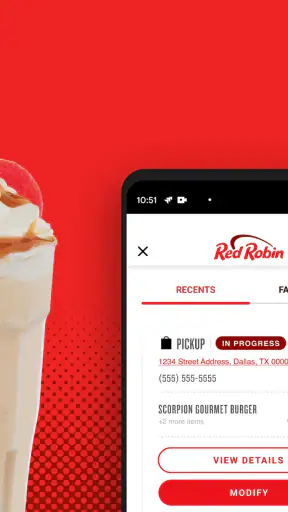
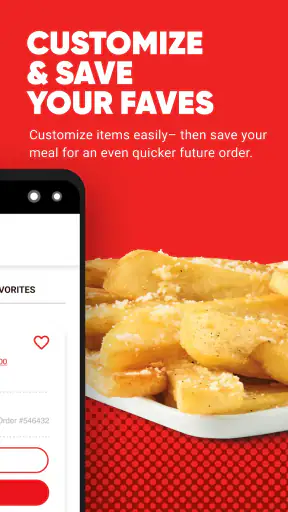
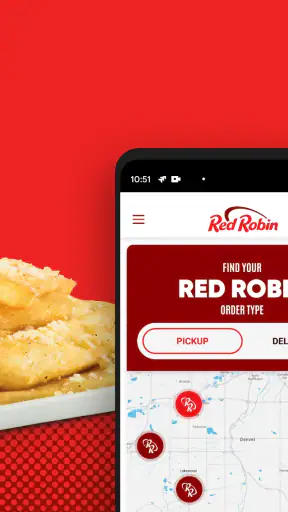
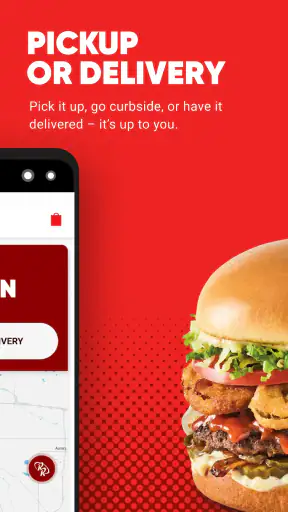
If you are already a Red Robin customer, the Red Robin app is mainly useful because it puts ordering and rewards in one place instead of making you switch between a browser, a paper receipt, and your memory. I found it most helpful when I knew roughly what I wanted before opening it: the app made the route from choosing food to placing an order feel more direct than handling everything at the restaurant counter.
This is a free Food & Drink app from Red Robin International, Inc., aimed at people who want a simpler way to order from Red Robin and keep track of rewards. It is rated for Everyone, runs on Android devices using version 7.0 or later, and the current release is 3.5.0. With more than a million installs, it is clearly intended for regular, everyday use rather than for a one-time promotion.
What the app is like when you first open it
The first thing to understand is that this is not a restaurant discovery app or a general meal-planning tool. Its value depends on whether Red Robin is a realistic choice for you. If there is a convenient location and you order from the chain occasionally, the app can make repeat visits less awkward. If you are looking for nearby restaurants across many brands, a delivery marketplace or map app will be more useful.
The central experience revolves around ordering Red Robin and connecting that activity with rewards. I would approach it with one simple goal for the first session: choose the location and ordering method that match your actual plan, then complete one order or at least take the process far enough to understand how it works. That is more useful than opening every menu section without knowing where your order would be collected or delivered.
The app feels most relevant in familiar situations. I can imagine opening it during a busy lunch break, when deciding what to eat with friends, or while sitting at home and wanting to arrange a Red Robin meal without calling. It can also be useful for someone who visits the same location repeatedly, because a dedicated restaurant app is easier to return to than searching from scratch each time.
There is a practical trade-off here. The app narrows your choices to one restaurant brand, but that narrow focus is also what makes it less distracting. You are not comparing dozens of restaurants, delivery fees, or unrelated menus. You are dealing with Red Robin’s own ordering path, which is better when you have already made the restaurant decision.
Who will get the most from it
I would recommend it first to regular guests, families placing an order together, and anyone who wants rewards attached to their Red Robin visits. It is also a sensible choice for people who dislike making phone orders, especially when several customizations or separate meals are involved. Having the order details visible while entering them can reduce the chance of forgetting an item.
It is less compelling for someone who visits only once, lives far from a Red Robin location, or prefers using one app for every restaurant. In those cases, installing a dedicated app may add another account and another ordering routine without saving much time. The same applies if you mainly want general restaurant recommendations rather than a way to order from this particular chain.
Setting it up without overcomplicating the first visit
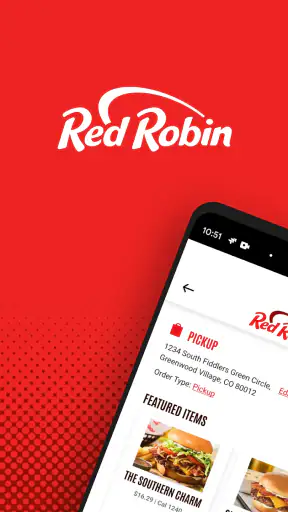
For a first session, I would begin by deciding whether I want pickup or another available ordering route before browsing deeply. That small decision gives the rest of the app a purpose. A menu can look easy to explore, but the location and fulfillment choice affect what you need to do next, so choosing them early prevents the common mistake of building an order before checking whether it suits your plans.
After that, I would sign in or create the account used for ordering and rewards. The important reason is not simply convenience: if you care about earning rewards, the account is the thread that connects your activity with the program. I would avoid treating guest browsing and reward tracking as the same thing. Browsing can help you decide, but an account-based step is what makes the visit useful beyond the current meal.
My advice is to keep the first setup focused. Do not spend the opening minutes trying to memorize every screen. Confirm the restaurant location, look over the available menu, and learn where the account or rewards area sits. Once those three pieces are familiar, later orders become much faster because you are no longer searching for the basic controls.
The app is free to install, which makes trying it low-risk. That does not mean every order decision should be made inside the app without checking carefully. I would still review the selected location, the items, the quantities, and the final order details before submitting anything. A few seconds of checking is worthwhile when ordering for several people.
Getting to the first meaningful success
The first successful action should be a small, realistic order rather than an ambitious group meal. I would choose a familiar item, select the location I actually intend to use, and proceed through the order until the final confirmation stage. If I were not hungry yet, I could still use the exercise to learn the flow, but I would not submit an order accidentally just to test a button.
For a family meal, I would build the order one person at a time. That sounds obvious, but it is a useful way to catch missing sides, duplicate items, or a customization applied to the wrong meal. The app’s advantage is that the order is written down as you assemble it; the disadvantage is that a long digital order can still become confusing if you add everything in a random sequence.
A better workflow is to group the order mentally: main meals first, additions second, and final review last. I would pause after each person’s choices and check the basket before moving on. This is one of the less obvious benefits of ordering through a dedicated app: you can slow down and inspect the complete request instead of trying to remember what was said during a phone call.
Before placing the order, I would also check that the selected restaurant is the one I can realistically reach. This matters particularly when several locations are nearby. A polished ordering screen does not remove the need for a practical check, and selecting the wrong restaurant can turn a convenient digital process into an unnecessary trip.
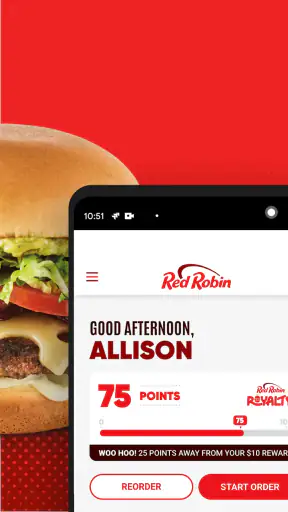
Once the order is complete, the useful follow-up is to look at the account and rewards area rather than closing the app immediately. I would confirm that I am signed into the account I intend to keep using and make a note of how rewards-related information is presented. That habit makes future visits easier and helps prevent confusion between an order made while browsing and activity associated with the right account.
Rewards are useful, but they should not drive every decision
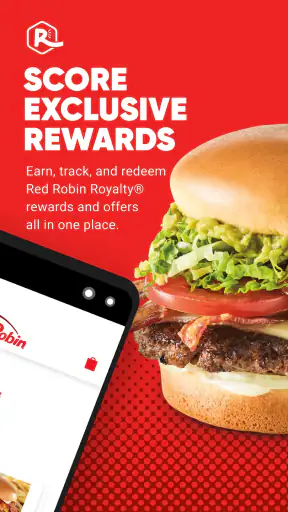
The rewards connection is one of the strongest reasons to keep the app installed. If I already plan to eat at Red Robin, earning rewards along the way gives the visit an extra benefit. The sensible approach is to treat rewards as a bonus on food I wanted anyway, not as a reason to order more than I need.
This distinction matters because loyalty programs can make a familiar restaurant feel more valuable without necessarily making every meal the best choice. If another nearby option is cheaper, faster, or better suited to the group, I would not let the app’s rewards feature make that decision for me. The app works best when it supports a Red Robin visit that already makes sense.
I would also make the account step part of my normal routine. Before ordering, check that the correct account is active. After ordering, glance at the rewards section or account details. That two-step habit is more reliable than assuming the app automatically knows which profile you meant to use, especially if more than one person in a household uses the same device.
Where first-time users may become confused
The most likely confusion is mixing up menu browsing with completing an order. Looking at food is not the same as choosing a location, selecting an ordering route, and confirming the basket. I would keep asking myself, “Am I only exploring, or am I preparing to submit this?” That simple distinction prevents accidental progress and makes the app feel more predictable.
Another point of friction is customization. Restaurant orders often contain several choices, and a small change can be easy to overlook once the basket grows. I would open each item again during the final review instead of assuming the last screen shows every detail clearly. This is especially important when ordering for someone with strong preferences or dietary needs.
I would not rely on the app alone to interpret a serious allergy or special health requirement. Digital customization can communicate a request, but it is not a substitute for asking the restaurant directly about ingredients, preparation, or cross-contact. For ordinary preferences, the app can be convenient; for safety-critical questions, direct confirmation is the better option.
Location mistakes are another realistic source of trouble. The closest restaurant on a screen is not always the one that fits your route, and a saved or previously selected location may not be the right one today. I would verify it every time I order from a different area, even if that feels repetitive. This is a small habit with a much bigger payoff than trying to correct the problem afterward.
Rewards can also be misunderstood if you expect them to behave like an instant discount on every order. I would read the information shown in the account and rewards area and pay attention to how the app describes progress or available benefits. The important lesson is to check the status inside the app rather than guessing from a previous visit.
A realistic everyday example
Imagine that I am leaving work with two friends and we decide on Red Robin while travelling home. Instead of waiting until we arrive, I open the app, choose the location that is actually on our route, and start an order. I add each person’s meal separately, pause to review the basket, and make sure the order is connected to my account before confirming.
That scenario shows where the app earns its place. I am not using it to compare every restaurant in town; I have already made that decision. I am using it to reduce back-and-forth, keep the order readable, and connect the visit with rewards. If the restaurant were not on our route, or if one friend needed detailed ingredient information, I would slow down and use a different approach rather than assuming the app solves every problem.
For a household ordering at home, I would use a similar method but add one more check: compare the final basket with the people sitting at the table. Digital ordering makes it easy to add an item for a person who changed their mind or to miss something when several choices are entered quickly. A deliberate final review is more valuable than rushing because the app feels faster.
How it compares with calling, a browser, and delivery marketplaces
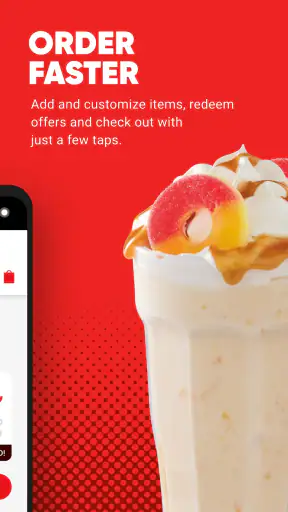
Compared with calling the restaurant, the app gives me more control over reading and reviewing the order. A phone call can be quicker for a very simple request, and it may be preferable when I need to ask a detailed question. For a larger order with several changes, though, seeing the basket is a real advantage.
Compared with using a mobile browser, a dedicated app is more appealing if Red Robin is already part of my routine. The focused experience keeps the restaurant, ordering path, and rewards account together. A browser may be enough for occasional visitors who do not want another app installed, so I would not call the app essential for everyone.
Compared with a delivery marketplace, the Red Robin app is more specialized. A marketplace can be better when I am comparing restaurants, delivery options, or a mixed order for a group with different tastes. The dedicated app makes more sense when I want Red Robin specifically and care about keeping the order connected to its rewards system.
That comparison also explains the main limitation: the app cannot replace a broad restaurant service. Its usefulness rises with loyalty to Red Robin and falls when variety is the priority. I would choose it for repeat visits, not as my only food-ordering tool.
Small habits that make repeat orders smoother
My first tip is to decide the location before spending time customizing food. My second is to build group orders by person rather than by whichever menu section happens to appear first. My third is to inspect the complete basket and account status before submitting. These are simple habits, but they address the most realistic mistakes: wrong location, missing details, and rewards activity attached to the wrong profile.
I would also use the app as a planning tool when I already know I will eat at Red Robin, but I would avoid treating the menu as a promise that every situation will work exactly the same way. Restaurant availability and the practical details of collecting an order still matter. The app can organize the request; it cannot make an inconvenient location convenient.
For people sharing a phone, I recommend agreeing on one account routine before placing orders. Switching between profiles or assuming another family member’s rewards activity will appear under yours can create unnecessary confusion. Keeping the account step consistent is more useful than repeatedly troubleshooting after an order.
Performance, audience, and long-term value
The app has an average rating of 4.4 from roughly 4.8 thousand ratings, alongside about 1.8 thousand written reviews. Those figures suggest that many users find the experience worthwhile, while the written feedback count also reminds me that ratings alone cannot tell the whole story. My own judgment is that the app’s value is practical rather than exciting: it helps when its focused purpose matches your habits.
Because it is rated for Everyone, it is suitable as a general household ordering tool, although adults should still handle account and payment decisions. The minimum Android requirement of version 7.0 makes it accessible on many older Android phones, which is helpful for users who do not replace devices frequently. The current version, 3.5.0, is the release I would look for when checking that I am using the modern app experience.
On iOS or Android, I would judge it by the same question: does it make my Red Robin routine easier? The answer is yes if I order from the chain often enough to value a dedicated account and rewards path. The answer is probably no if I only need a menu once or want a single app that covers every restaurant.
My recommendation after using it
I see Red Robin as a focused convenience app rather than a complete food-ordering solution. Its best qualities are the direct connection to Red Robin ordering, the ability to review a digital basket, and the chance to keep rewards tied to repeat visits. Those strengths are most noticeable when ordering for more than one person or when I want to avoid repeating the same process by phone.
The limitations are equally clear. It is brand-specific, so it offers little value when I am still deciding where to eat. It also requires careful checking of location, account, customizations, and final order details. The app can streamline the process, but it does not remove the responsibility of reviewing what I am about to submit.
My advice to a first-time user is to install it, choose a realistic Red Robin location, and complete a small order with a deliberate final review. Then check the rewards area so you understand how the account fits into future visits. If that first experience saves you time and you expect to return, keeping the app is sensible. If you rarely visit Red Robin or prefer comparing many restaurants at once, a browser or broader marketplace will probably suit you better.
Overall, I would recommend Red Robin to regular guests who want a straightforward way to order and earn rewards along the way. It is free, familiar in purpose, and most effective when used with a little care. The best first step is simple: choose the right location, build one clear order, and verify the account before confirming.


